
Haile Selassie is one of the most recognised African leaders in modern history. People around the world continue to ask: What was Haile Selassie famous for? He is remembered as Emperor of Ethiopia, an anti-colonialist statesman, a reformer, a founder of African unity, and a central figure in the Rastafari movement.
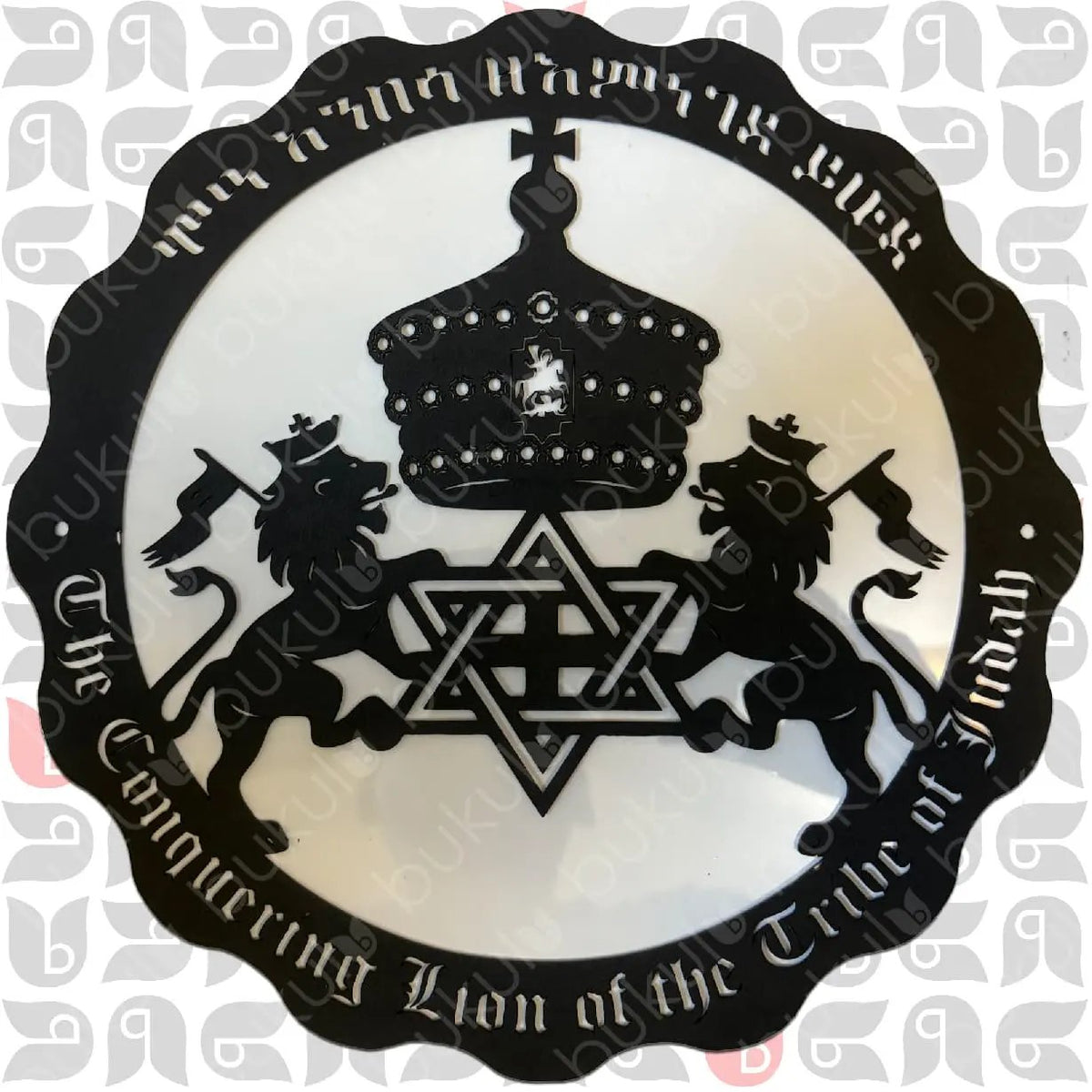
Who Was Emperor Haile Selassie?
Haile Selassie I was born Tafari Makonnen and served first as regent and Crown Prince before he was crowned emperor in 1930. As Emperor Haile Selassie, he ruled Ethiopia until the Ethiopian Revolution of 1974. His reign linked the ancient Solomonic monarchy with efforts to modernize his country through education, administration, infrastructure and stronger foreign relations.
Why Haile Selassie Became Internationally Famous
Haile Selassie became internationally famous after Fascist Italy, led by Benito Mussolini, invaded Ethiopia in 1935. He appealed to the League of Nations in 1936 and warned that unchecked aggression threatened every nation. His speech made him a global anti-colonialist symbol and one of the best-known African leaders of the period before World War II.
During exile, he lived for a time at Fairfield House in Bath with support from the British government. After British and Ethiopian forces defeated the Italian occupation, he returned to Ethiopia and re-entered Addis Ababa in 1941.
Modernising Ethiopia and Expanding Political Power
Haile Selassie worked to modernize the country by expanding schools, strengthening the central government and developing Ethiopia’s international position. A new constitution in 1955 formally described Ethiopia as a constitutional monarchy, although substantial political power remained concentrated in the emperor and the palace.
His government encouraged a growing Ethiopian intelligentsia and expanded state institutions, the military and police. At the same time, critics argued that the feudal system, unequal land ownership and slow land reform limited the benefits of modernisation for rural Ethiopians.

Haile Selassie, the United Nations and African Unity
Ethiopia became a founding member of the United Nations, and Haile Selassie used foreign relations to support African independence and cooperation. In 1963, African leaders met in Addis Ababa to establish the Organization of African Unity, the institution later succeeded by the African Union.
His role in creating the Organization of African Unity is one of the strongest reasons he remains associated with pan-African diplomacy and the modern African Union.
Why Haile Selassie Is Important to the Rastafari Movement
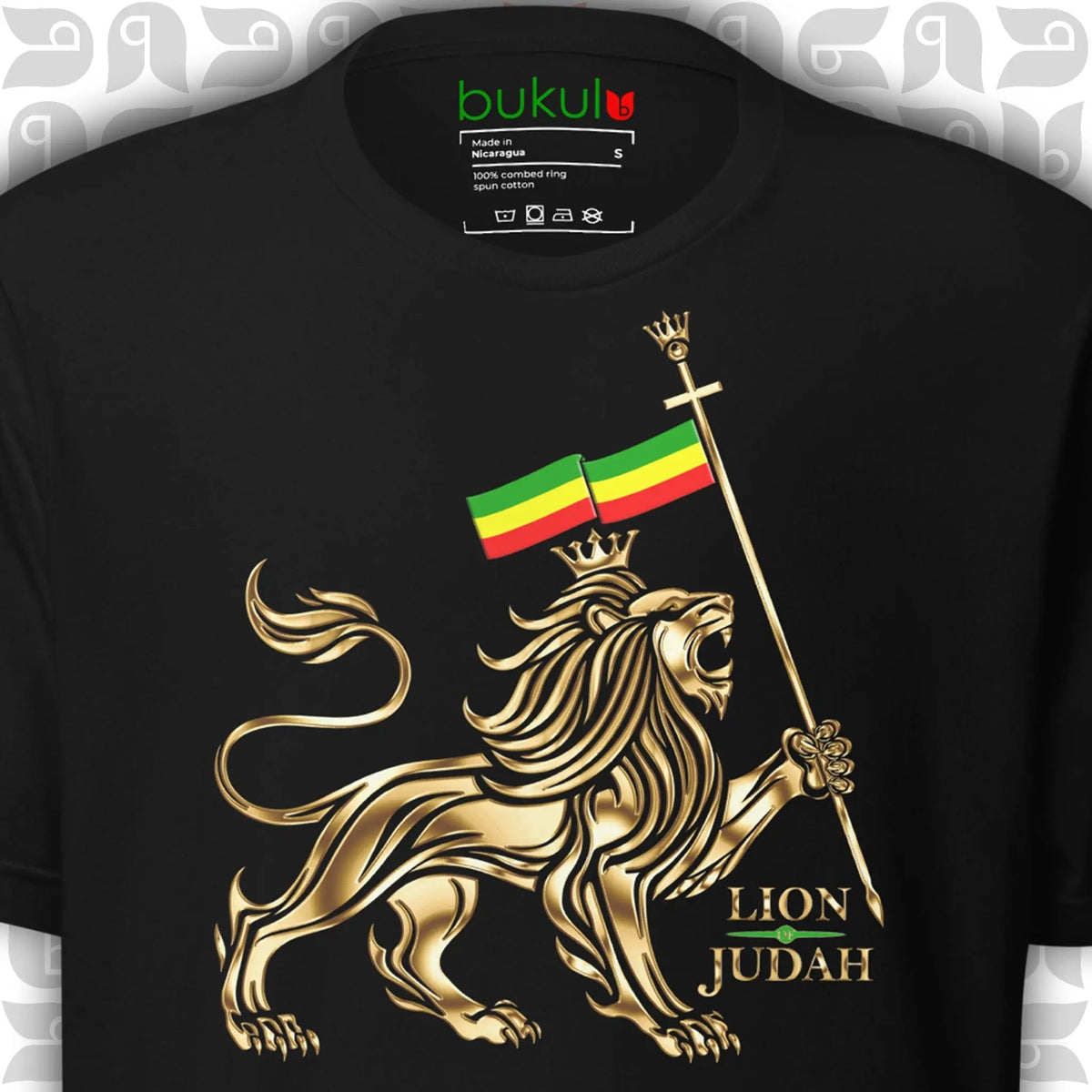
Haile Selassie is also famous for his spiritual significance within the Rastafari movement. Many followers regard his 1930 coronation, imperial titles and Ethiopian identity as deeply important to Rastafari belief. His image became connected with Black liberation, African pride and the Lion of Judah.
The Famine, the Coup and the End of His Reign
Haile Selassie’s legacy is also debated. A failed coup in 1960 exposed dissatisfaction with the monarchy. During the famine of the early 1970s, criticism grew over the government’s response, economic inequality and the slow pace of land reform.
In 1974, a military government known as the Derg removed him from power during the Ethiopian Revolution. He was placed under house arrest at the palace and died in 1975. These events ended the monarchy and remain an important part of any balanced account of his reign.
What Was Haile Selassie Famous For Most?
Haile Selassie was most famous for defending Ethiopia against Fascist Italy, addressing the League of Nations, helping establish the Organization of African Unity, expanding Ethiopia’s international role and becoming a central figure in Rastafari history. His legacy includes major achievements, disputed political decisions and lasting global symbolism.
Frequently Asked Questions
Was Haile Selassie the last Emperor of Ethiopia?
Yes. Haile Selassie was the last crowned emperor of Ethiopia. The monarchy ended after the 1974 Ethiopian Revolution.
Why did Haile Selassie speak to the League of Nations?
He addressed the League of Nations after Fascist Italy invaded Ethiopia, asking the international community to defend collective security and Ethiopian independence.
What did Haile Selassie do for African unity?
He helped bring African leaders together in Addis Ababa in 1963 to establish the Organization of African Unity, the predecessor of the African Union.
Why is Haile Selassie important to Rastafari?
His coronation, Ethiopian identity and imperial titles became central to Rastafari belief and symbolism, especially ideas connected with African liberation and the Lion of Judah.
Explore Haile Selassie Tribute Apparel
Explore the Haile Selassie Tribute Apparel collection for clothing and décor inspired by Ethiopian history, the Lion of Judah and Haile Selassie’s cultural legacy.
0 comments